What are you
actually sitting on?
You've built something. You know there's more in it. The question is whether the next move is an opportunity worth pursuing, or just another expensive distraction.
A note from Andrea ↗
Find what matters
See the value you may have overlooked.
Test the possibilities
Separate good ideas from good decisions.
Choose your next move
Leave with priorities, not more noise.
I don't think you need another person handing you ideas.
If you've been in business for a while, you probably have more ideas than you can use. You have things you've built, people you've helped, methods you've developed, relationships, a reputation, and a few projects you've been meaning to get back to.
And every so often, you catch yourself wondering whether some of those pieces belong together in a way you haven't seen yet.
That's the work I love doing.
I get inside the business, look at what is really there, and start asking questions. What is working? What's being overlooked? What are customers telling us? What could be valuable, but only if we solve something else first?
Sometimes we find an entirely new direction. Sometimes we discover the best move is to strengthen the business you already have. And sometimes I tell someone not to pursue an idea they were excited about. I'd rather give you a useful answer than an exciting one.
Pax Romana is how we do that work together.
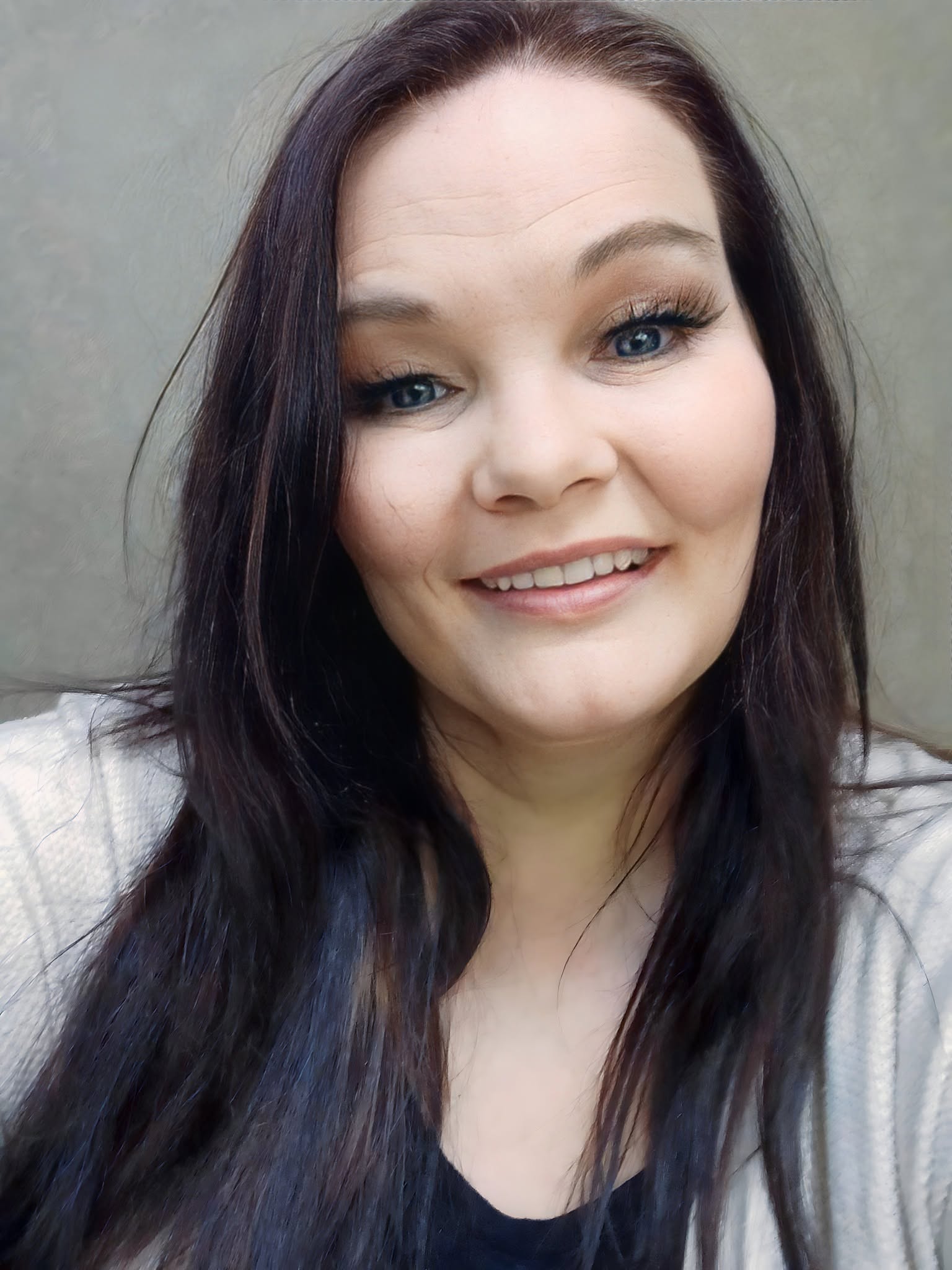
You're working with me.
Not a rotating team, a prewritten report, or a chatbot pretending to be a consultant. I examine the business, make the recommendations, and sit down with you for 90 minutes to work through them.
I use tools where they're useful. The judgment is mine.
We look beyond what's obvious.
This isn't an exercise in producing a long list of possibilities. It's about deciding what deserves your resources.
Take stock of what you've built
Your offers, expertise, customers, methods, audience, relationships, unfinished projects, assets, and the things you may be too close to notice.
Find the interesting connections
We examine overlooked demand, underused strengths, pressure points, and opportunities that might connect what currently looks scattered.
Pressure-test the possibilities
Does the demand exist? Can the business deliver it? Does it make financial sense? Will it support the life and company you actually want?
Decide what happens next
We narrow the possibilities into a clear recommendation, with priorities, dependencies, and a practical order of action.
“Given this business, these customers, these resources, and the person running it, what is actually worth doing?”
Not a course. A real examination of your business.
You don't have to learn my diagnostic methods. You give me the context I need, I do the analysis, and then we work through what it means together.
First, the intake.
You share the inside story: your business, numbers that matter, what you've tried, what's unfinished, where you're stuck, and what you want the next chapter to look like.
Then, my analysis.
I examine the information, look for connections and constraints, and build your custom Strategic Opportunity Blueprint. I use research and AI-assisted tools where they help, but the analysis and recommendations are my responsibility.
Then, 90 minutes together.
We go through the findings privately. You can challenge the assumptions, ask the hard questions, and work through competing priorities with me. This is where we turn the blueprint into a decision you can stand behind.
And you're not left on your own.
You have ongoing email support from me for questions about your Blueprint, plus lifetime access to The Stronghold and its practical business tools. Pax is a defined strategic engagement, not unlimited implementation work.
One engagement. A clear next move.
This is for the founder who has something real to work with and wants a second set of experienced eyes before committing more time, money, or energy to the next big decision.
I don't promise to find you a shiny new business. I promise to take the puzzle seriously and tell you what I see.
One-time engagement. No required retainer.
- In-depth strategic intake
- Personal analysis by Andrea
- Custom Strategic Opportunity Blueprint
- Private 90-minute working session
- Ongoing email support related to your Blueprint
- Lifetime access to The Stronghold
You'll be taken to the secure enrollment page.
Before we get into your business.
What if I already know what I want to build?
That's useful. We can test the idea against the business you have, the demand you see, and the resources available. We don't have to invent something new for Pax to be worthwhile.
What if the answer is to fix something rather than expand?
Then that's the answer I'll give you. I won't recommend expansion simply because it sounds more exciting.
Is Pax only for large businesses?
No. But it works best when there's something tangible to examine: customers, experience, a method, a body of work, a business, or assets that have already been developed.
What does ongoing email support mean?
You can continue asking questions related to your Blueprint and its recommendations by email. New projects, ongoing implementation, and broader consulting engagements are scoped separately.
Will you implement everything for me?
Pax is the analysis, decision, and Blueprint. The Stronghold gives you tools to help put it into practice. If you need deeper hands-on strategic involvement, we can discuss Legion separately.
You don't have to build everything you can imagine.
You just need to recognize the opportunity that deserves your attention, and be willing to leave the rest alone.
See what's included in Pax ↗